
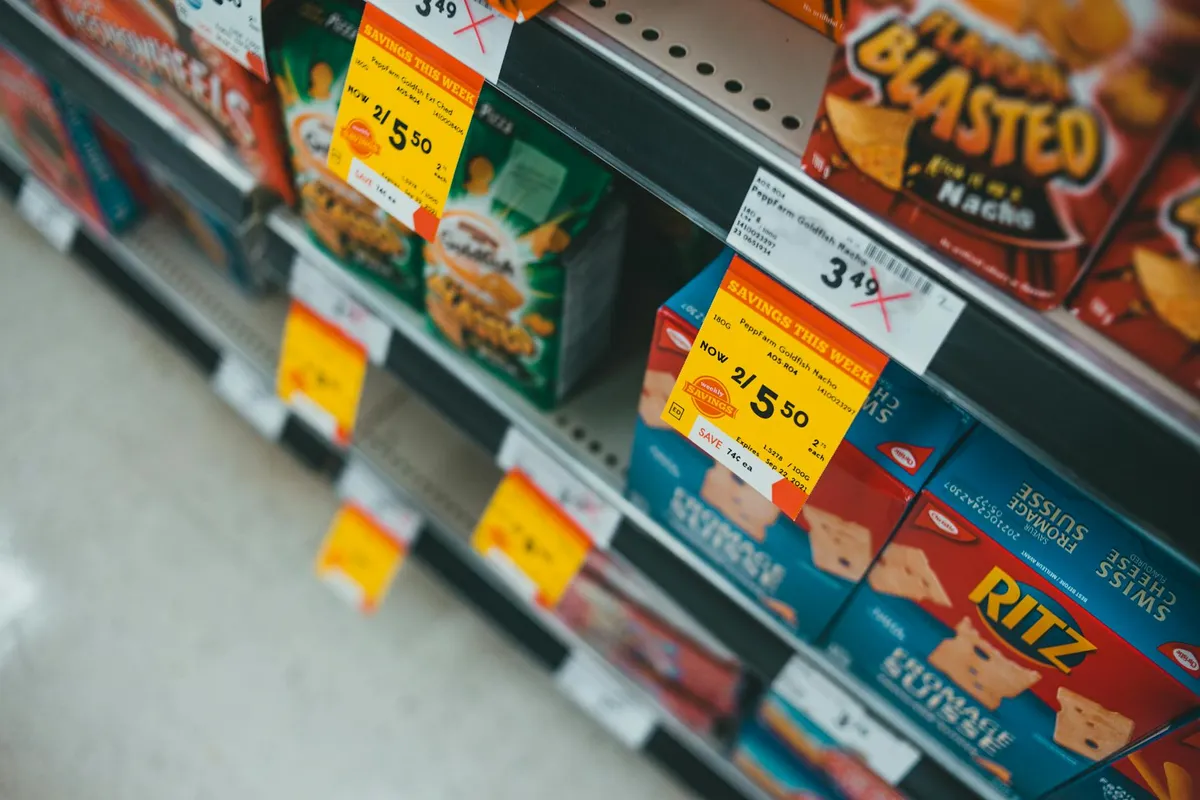
A lower grocery bill starts with a plan you can repeat. This guide covers the weekly shopping routine. The aim is to reduce waste and avoid unnecessary purchases while keeping the foods your household needs.
1. Start with what you already own
Check the refrigerator, freezer, and pantry before planning meals. Put food that needs to be used soon at the beginning of the week.
2. Plan a realistic number of meals
Account for evenings away, leftovers, and the time available to cook. A plan for seven elaborate dinners is expensive if only four are likely to happen.
3. Build around overlapping ingredients
Choose meals that share ingredients so a partially used package has another purpose. Make dietary needs and food safety part of the plan.
4. Make a list with quantities
Write “two cans” or “one pound” instead of an open-ended category. Check your storage space before buying a larger package.
5. Compare unit prices
A $3 package containing 12 ounces costs $0.25 per ounce. A $4 package containing 20 ounces costs $0.20 per ounce. The second is cheaper per ounce only if the extra food gets used.
6. Compare store brands
Try a small quantity first. Keep the substitution only if your household will actually eat it. A lower sticker price does not help when the replacement goes unused.
7. Use frozen or canned options where useful
Compare cost per usable serving with fresh alternatives. Choose the format that fits the meal and storage time; check labels for ingredients important to your household.
8. Treat coupons as a final adjustment
Apply a discount to an item already needed. Check whether the discounted product still costs more per serving than another suitable option.
9. Include convenience costs
Delivery charges, tips, extra trips, and uneaten prepared food all belong in the total. Paying a little more for a practical ingredient may still cost less than abandoning dinner and buying takeout.
10. Review one receipt each week
Mark duplicate purchases, unused food, and unplanned additions. Choose one change for the next trip and compare several weeks rather than judging the plan by one unusually cheap shop.
Set a household target
Start with recent spending and test a modest change you can sustain. The budget reset helps place groceries alongside other expenses. Use the budgeting worksheet to track the planned and actual totals.
Official planning resource: USDA MyPlate: Healthy eating on a budget.