
Debt Snowball vs. Debt Avalanche: Which Payoff Method Should You Use?
Compare the debt snowball and avalanche methods, protect every minimum payment, and choose a payoff order you can sustain without mistaking a tactic for a guarantee.
Budgeting, saving, emergency funds, grocery costs, and everyday expense control.
Compare the debt snowball and avalanche methods, protect every minimum payment, and choose a payoff order you can sustain without mistaking a tactic for a guarantee.

Build emergency savings in four practical stages: a starter $500 buffer, then one month, three months, and six months of essential expenses.

Build a stable spending plan around uneven pay by finding a conservative baseline, smoothing cash flow, reserving taxes, and giving strong months a job before they disappear.
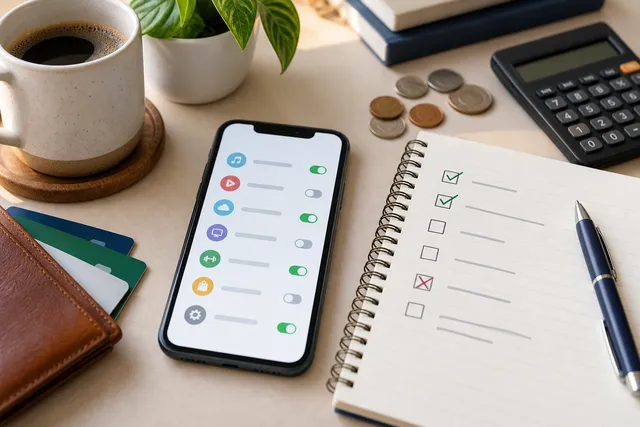
Find recurring charges across your accounts, calculate their real annual cost, and use a repeatable keep, pause, rotate, or cancel system without cutting services you genuinely value.

Use a repeatable payday routine to verify income, cover near-term bills, build savings, make deliberate debt and investing moves, and set a safe spending amount.

Turn car repairs, holidays, insurance premiums, and other irregular costs into manageable monthly savings targets with a practical sinking-fund system.

Compare zero-based budgeting with the 50/30/20 rule, see where each method fits, and build a practical hybrid for irregular income, debt goals, or changing household costs.

Use this practical 30-day reset to see where your money goes, map bills against paydays, trim low-value spending, and build a budget you can actually repeat.

A practical guide to Post-9/11 GI Bill monthly housing allowance timing, school breaks, enrollment changes, online classes, and building a budget that can handle uneven payments.

Build an emergency-fund target around essential expenses, family size, housing, service status, and income stability instead of relying on one rule for every military or veteran household.

A practical PCS move-budgeting system for tracking orders, travel, household goods, reimbursements, cash flow, and after-move costs without assuming every expense will be covered.

A practical military spouse budgeting framework for PCS moves, employment gaps, licensing costs, irregular income, and shared household planning.
A practical way for separating service members to replace a military pay-and-allowance budget with a civilian paycheck, benefits, tax, housing, food, and health-care plan.

A practical first-home preparation guide for veterans, covering credit, cash reserves, VA documents, inspections, closing costs, and payment stress testing before house shopping.

A practical guide to building a household budget around VA disability compensation without overcommitting, ignoring timing risk, or treating pending benefits as guaranteed income.

A practical money checklist for leaving active duty: final pay, benefits, insurance, TSP, health care, debt, banking, and emergency cash.

Use a percentage budget as a starting point, then adjust it for essential costs, irregular income, and debt obligations.

Review your contribution schedule, compare traditional and Roth treatment, and identify the decisions that change when you leave military service.

Discover the differences between high-yield savings accounts and money market accounts to find the best option for your savings in 2026.

Discover car buying tips for veterans, including exclusive discounts and financing options, to help you make informed choices.

Top Resources Improve your financial health with these 20 resources. Free Financial Counseling The VA Veterans Benefits Banking Program (VBBP) provides Veterans with up to 3 free sessions...
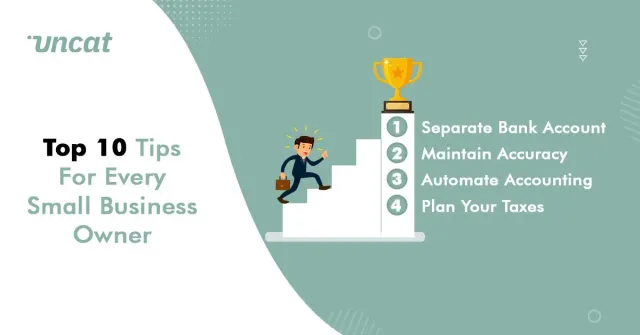
Separate startup costs from monthly expenses and calculate how many sales a business needs before making a large commitment.

Compare an ETF’s holdings, costs, concentration, and trading characteristics before deciding whether it fits your plan.

Use your plan documents and pay records to review contributions, matching, investment costs, and account details.

Starting an emergency fund can seem daunting, but in 2025's unpredictable job market, it's essential for peace of mind. This guide walks you through step-by-step strategies for everyday p...

Use a pantry check, unit prices, flexible meals, and a receipt review to reduce food waste and grocery spending.

In today's fast-paced economy, finding ways to supplement your primary income has never been more important. With rising costs and economic uncertainties, side hustles offer a flexible pa...
Find savings in subscriptions, bills, debt costs, and planned purchases, then assign the money to a useful goal.